
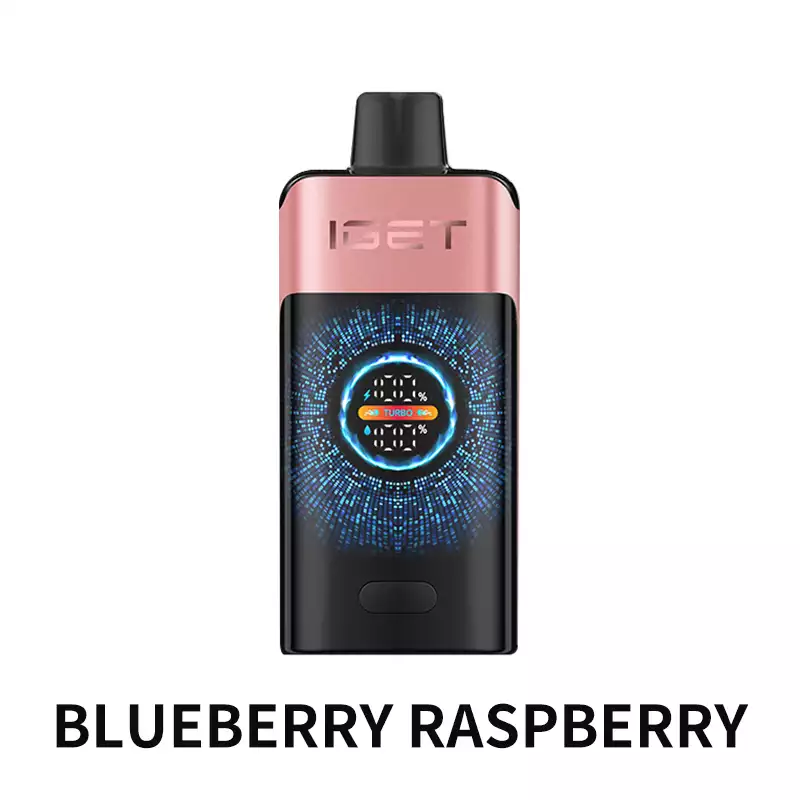
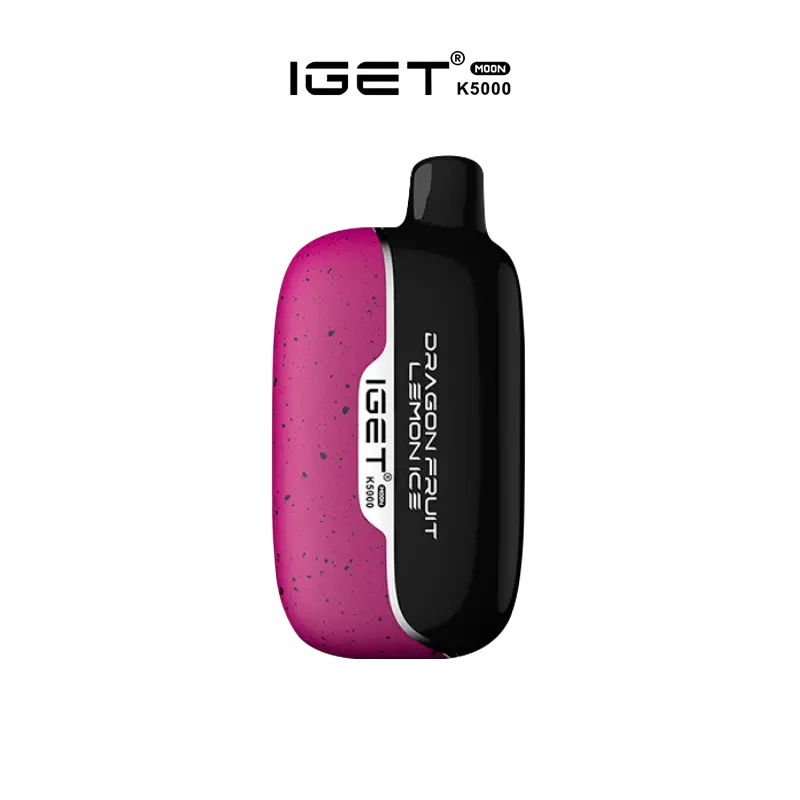
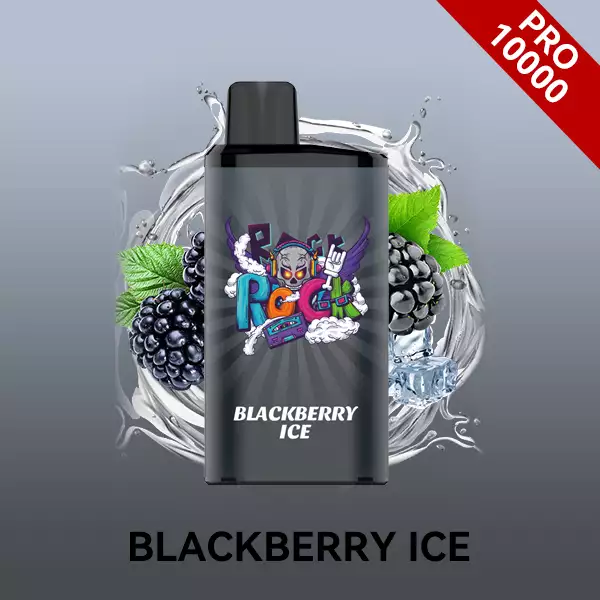
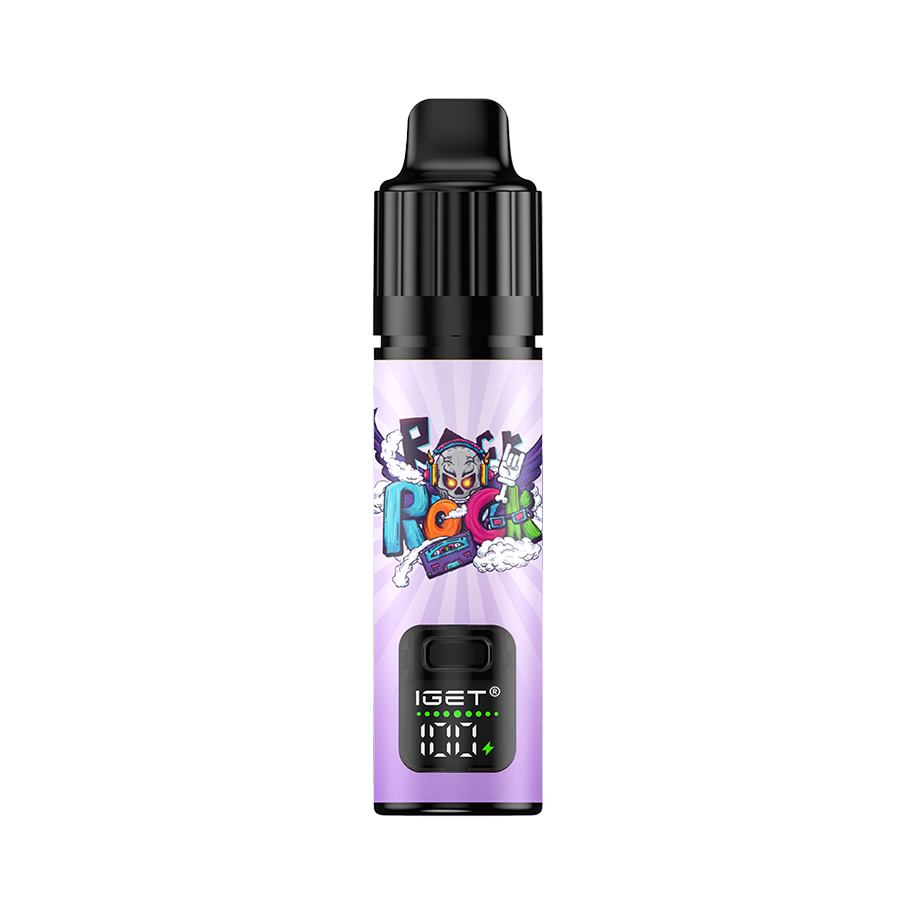




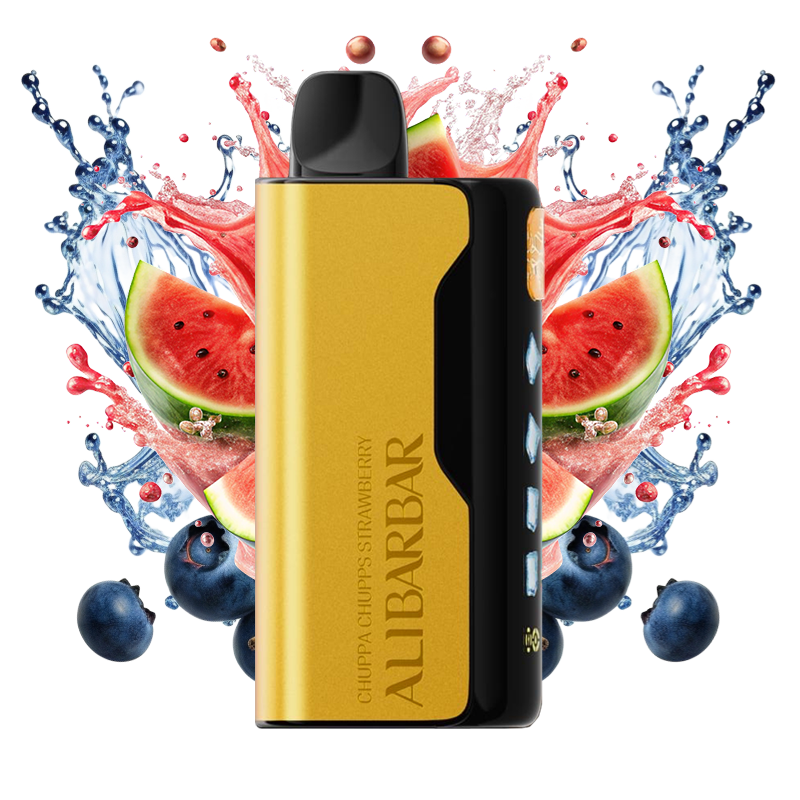
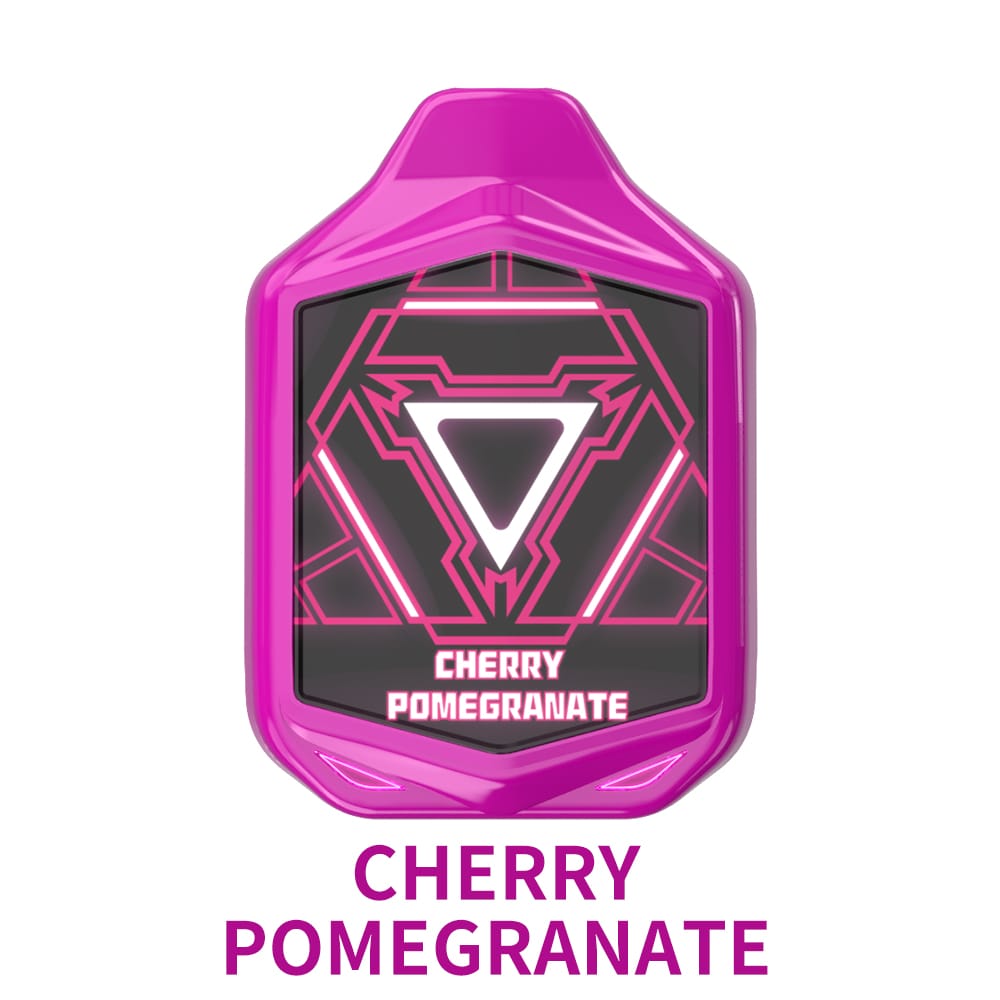
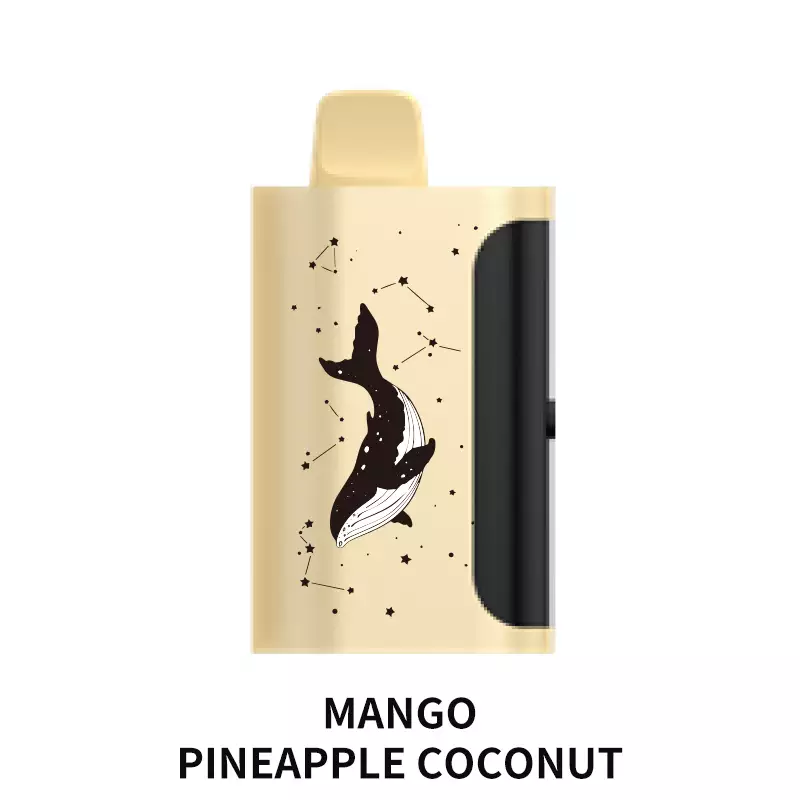
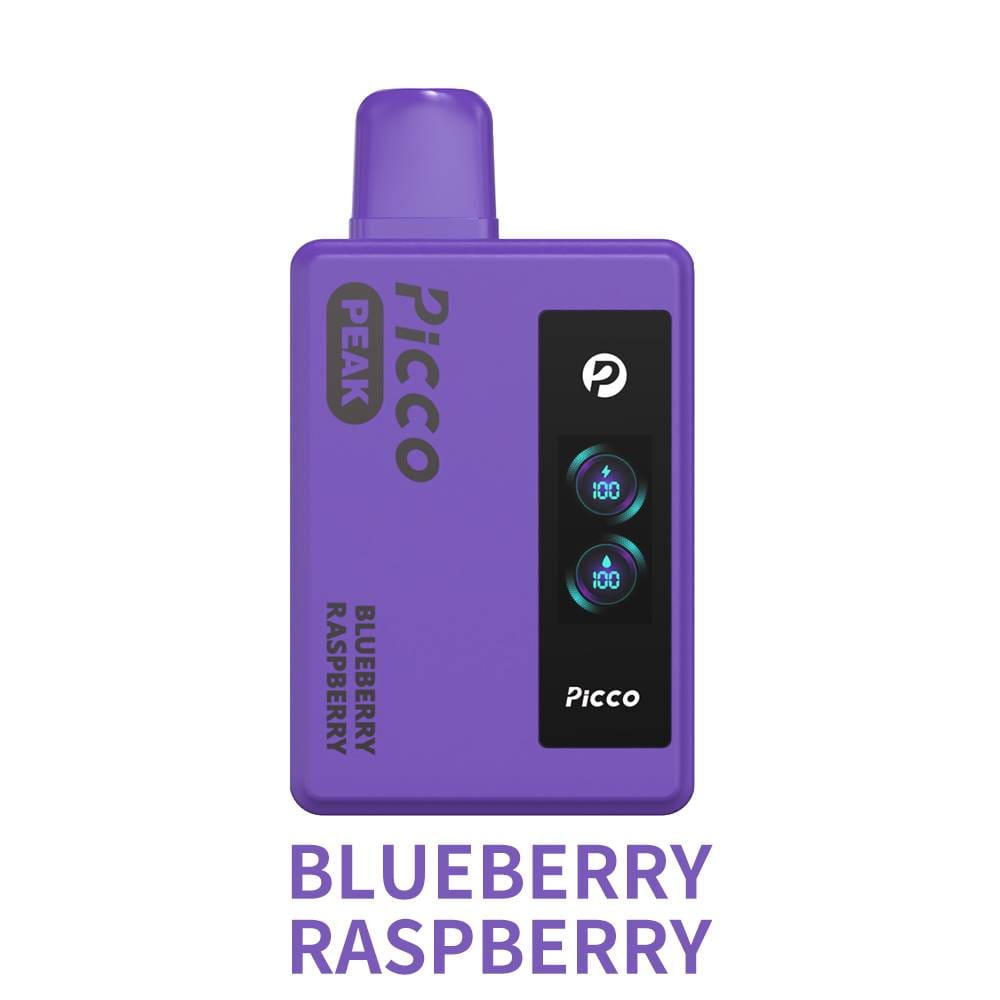

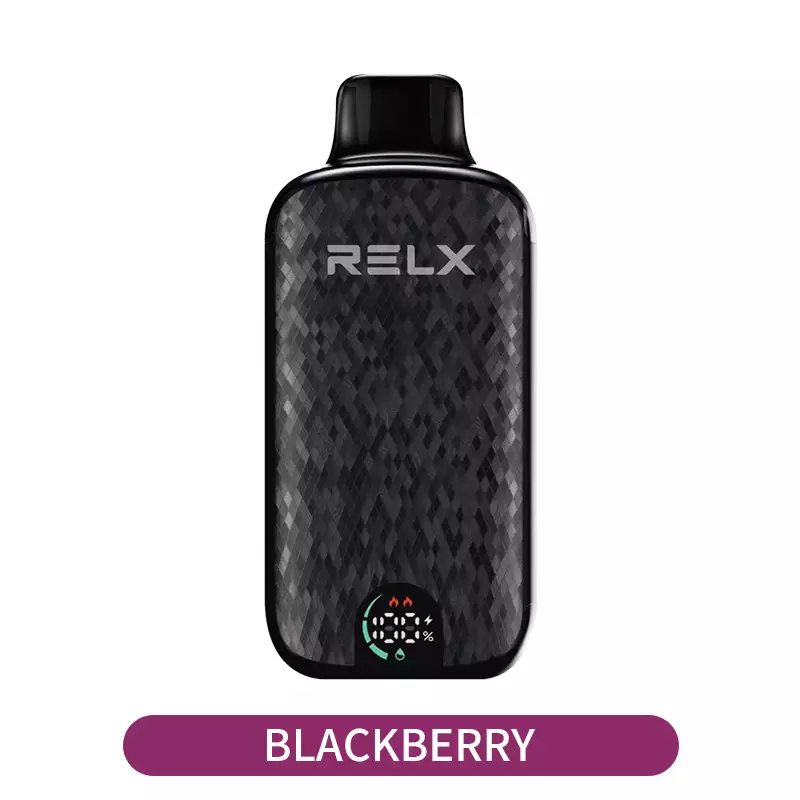
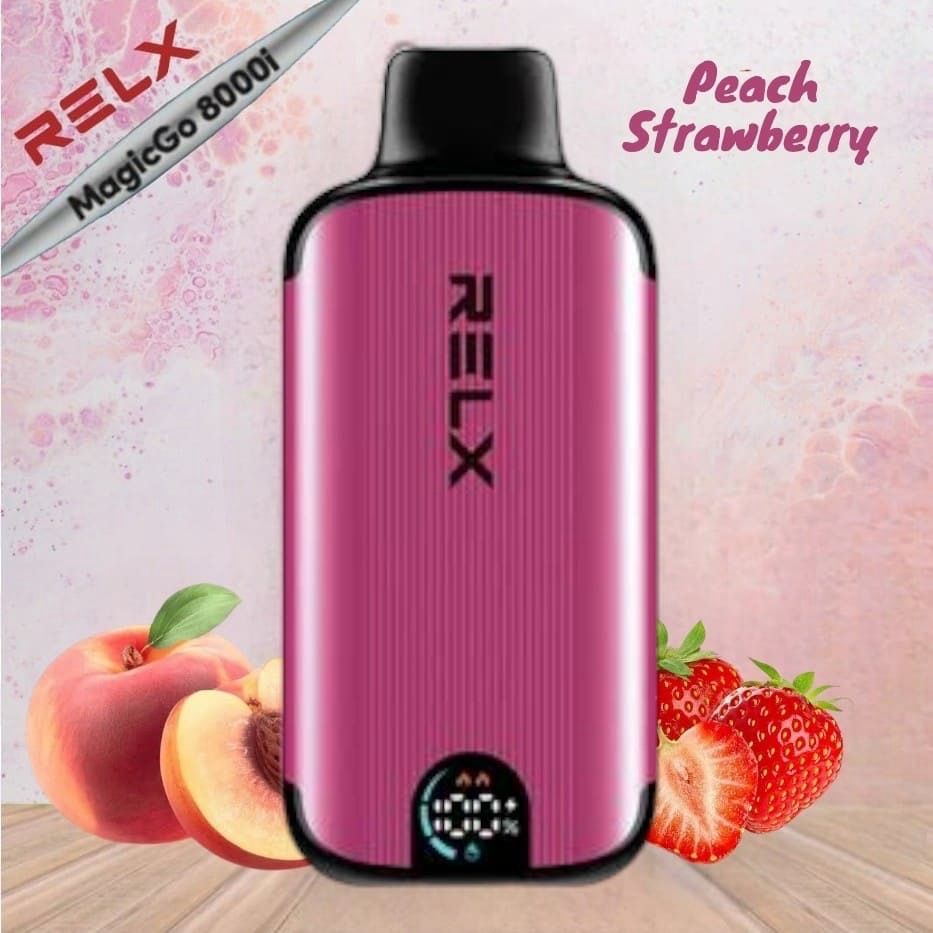
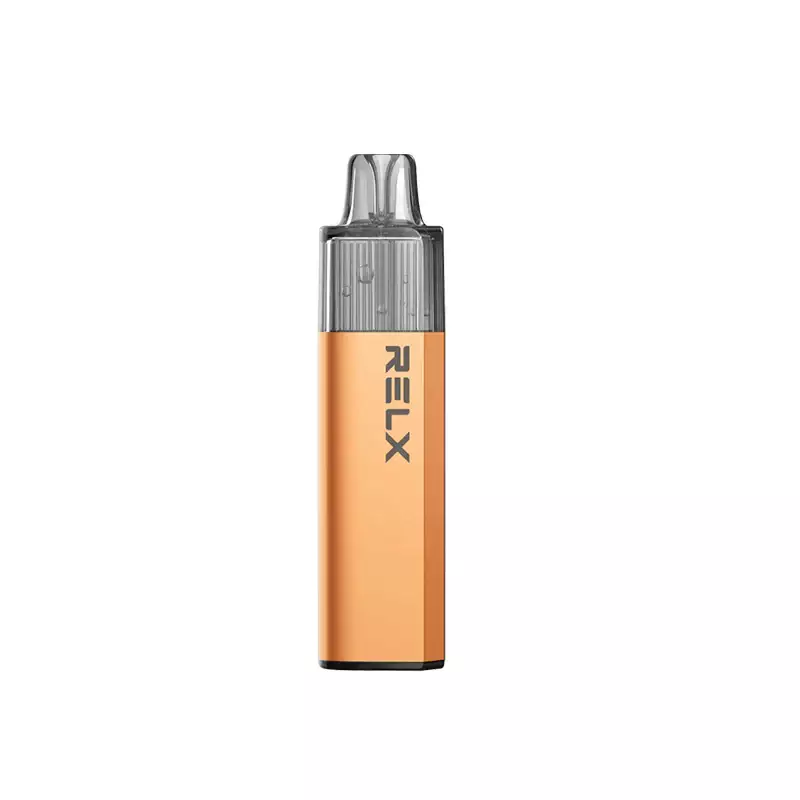

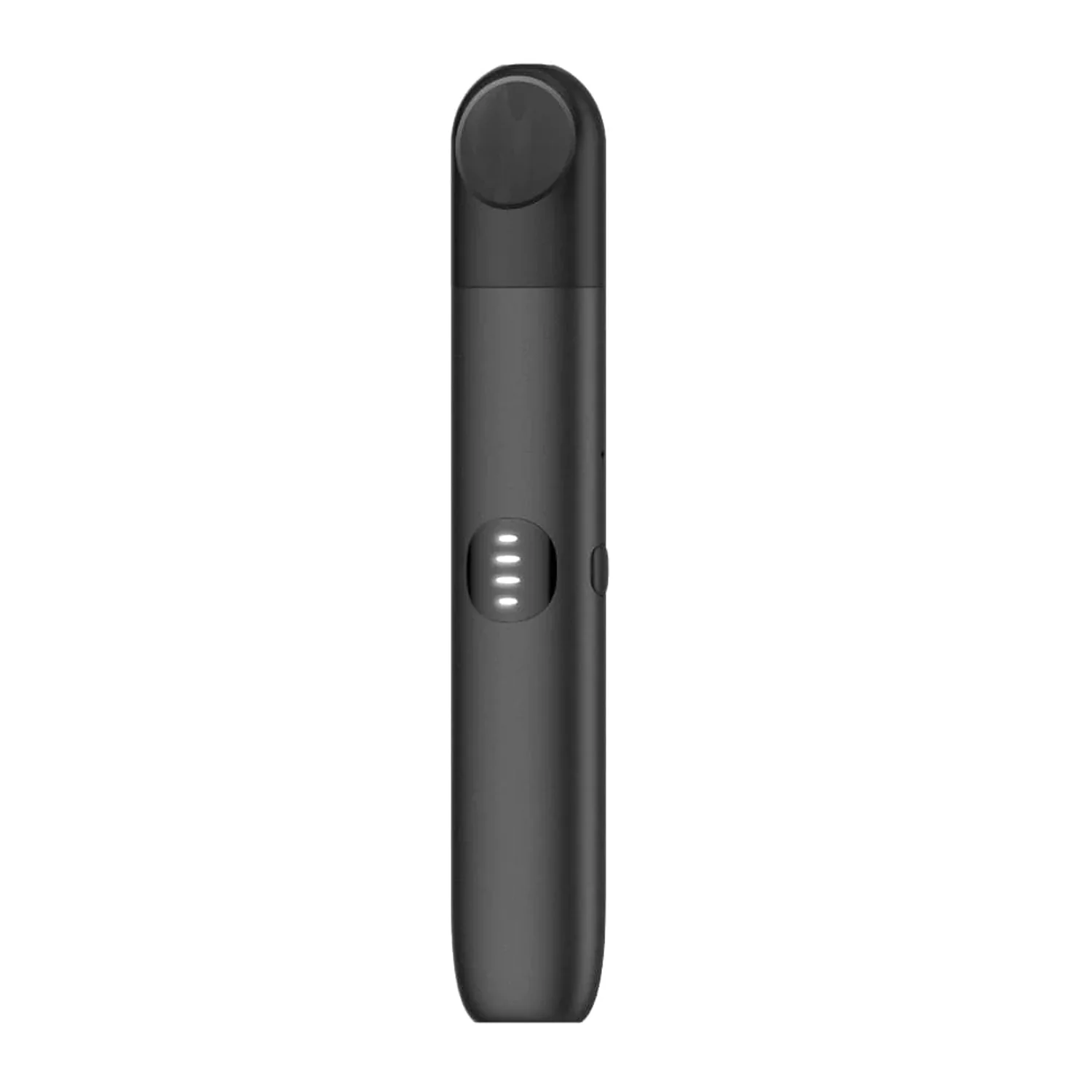




There is no single list of “benefits” that applies equally to every IGET vape. The brand covers multiple generations and product types, so a better approach is to compare practical pros and cons for the exact model.
Pros: simple product formats
Classic IGET disposables are closed all-in-one devices. They avoid routine tank refilling and coil installation. Newer IGET families also include rechargeable and pod-based systems, giving users more hardware formats to compare.
Pros: clear model families
Products such as Bar, Legend, Bar Pro and Bar Plus use different batteries, coil specifications and charging arrangements. The current IGET catalogue makes it possible to compare those families by published hardware rather than treating every device as the same.
Cons: puff count is not guaranteed duration
A model rating such as 3500, 5000 or 10000 depends on a defined draw pattern. Longer or more frequent draws change real-world duration. Treat the number as a model reference, not a promise.
Cons: closed devices have limited repairability
A sealed product is simple, but it also means batteries, coils and reservoirs are not normally user-serviceable. Do not open a closed device to refill it, repair a battery or add another substance.
Cons: battery waste
Disposable vapes contain lithium batteries and electronic components. They should be taken to an appropriate local embedded-battery/e-waste pathway rather than household rubbish.
Australian regulatory context
The TGA states that vapes are only lawfully available for therapeutic purposes through pharmacy settings. That legal context is separate from whether a particular hardware design is convenient.
Bottom line
The strongest reasons to compare IGET models are practical: size, device type, charging support and controls. The main limitations are fixed hardware, variable duration, waste and regulation. None of these points should be turned into a claim that vaping is risk-free.